
What does your window’s ‘registration number’ actually tell you? Decoding the CE Marking
Buying a window without checking the CE Marking is like buying a car without looking at the technical specifications. It’s not just a mandatory piece of paperwork; it’s what guarantees that your home will be comfortable and energy-efficient.
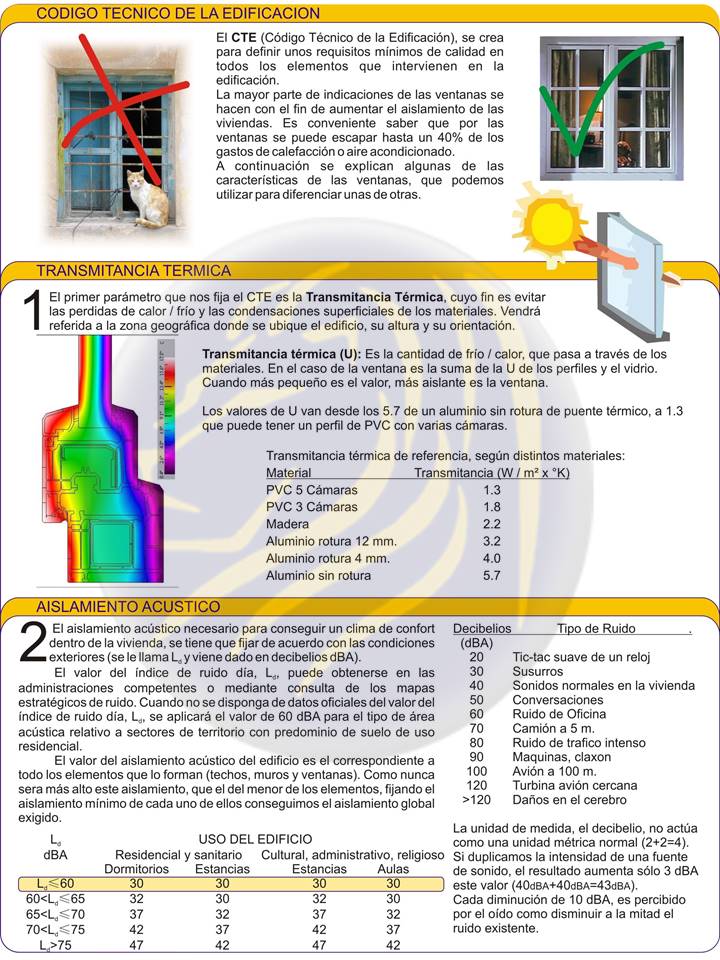
1. Savings you can feel: Thermal Transmittance (U)
This figure tells us how much heat or cold the material ‘lets through’.
The key: The lower the U-value, the better the insulation.
The real comparison: Whilst a 5-chamber PVC window has a value of 1.3, an older aluminium window without a thermal break rises to 5.7. PVC insulates almost five times better!
Impact on your wallet: An efficient window can prevent up to 40% of your heating or air conditioning energy from escaping.
2. A quiet home: Sound insulation
Outdoor noise is measured in decibels (dBA) and your window acts as a shield against it.
Sound transformation: The CE mark certifies how your window can reduce the 90 dBA of a lorry or a car horn to the 40 dBA of a quiet conversation at home.
Interesting fact: A reduction of just 10 dBA is perceived by our ears as if the noise had been cut in half.
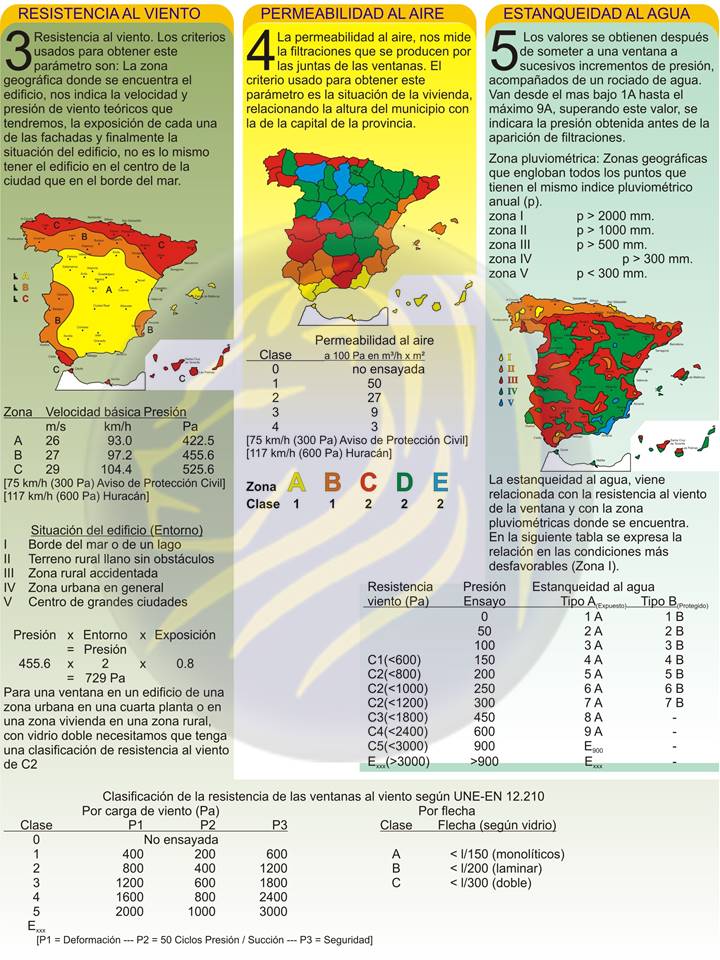
3. Wind Resistance (3): We classify the window according to the pressure it will withstand. A terraced house in the city centre is not the same as a sea-front penthouse on the Costa Blanca; we need the window to be rigid and not to warp.
4. Air Permeability (4): This measures how much air seeps through the joints. A Class 4 (the highest) ensures you won’t hear that annoying ‘whistling’ sound or feel draughts during a storm.
5. Water Tightness (5): This test sprays pressurised water onto the window. The ratings range from 1A to 9A or higher (E). This guarantees that, even if one of our typical storms hits, not a single drop will get inside the house.
Financiado por el Programa Kit Digital. Plan de Recuperación, Transformación y Resiliencia de España «Next Generation EU».
